New home
A Wedding and New-Home Furniture Checklist for Ajmer Households
By Urban Home
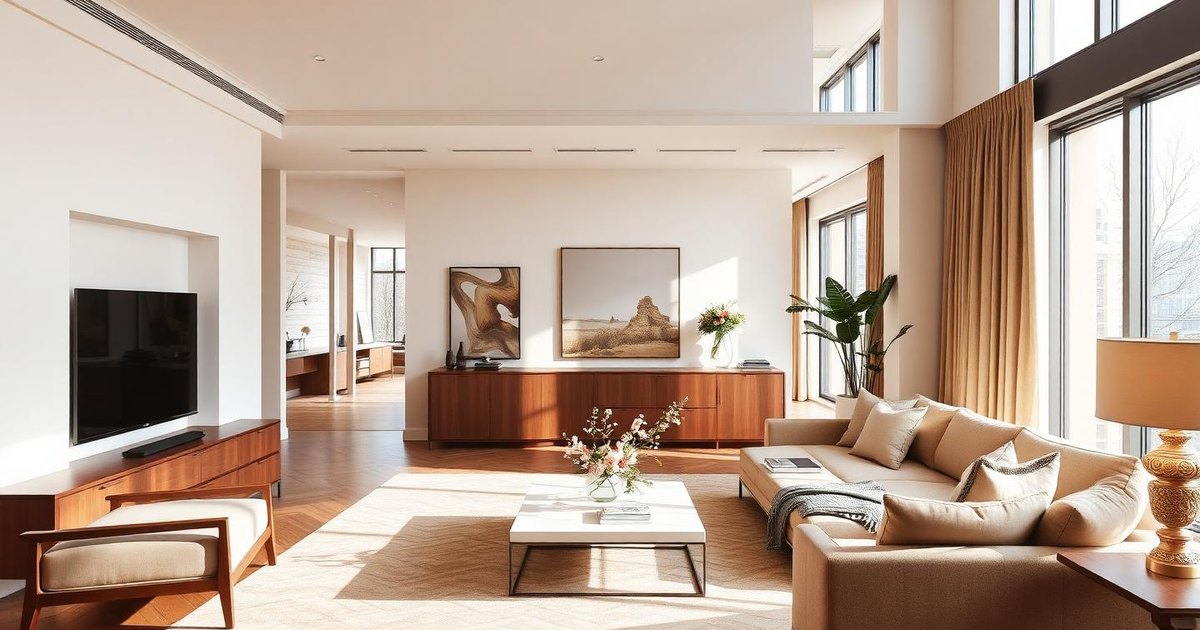
Setting up a new home, whether around a wedding or another move, is easier when furniture decisions follow the household's actual routine. You do not need to choose every piece at once or treat a showroom display as a compulsory package. Start with a place to sleep, space for clothes and comfortable seating, then build around the rooms you have. This Ajmer checklist focuses on useful questions and a manageable sequence, without fixed budget figures or assumptions about what a family should buy.
Start with the home, not a shopping list
Measure each room and draw a simple plan showing doors, windows, built-in storage and electrical points. Note furniture you already own and what you intend to keep. Discuss who will use each room and how often guests visit. A spare room may need a different priority from the main bedroom, while a compact living room may work better with fewer, carefully sized pieces.
Check the entrance and access route, including stair turns and lifts where relevant. Keep those measurements with your room plans. In a hot, dusty Ajmer home, also note strong sunlight, cooler positions and places where dust settles. Look for damp walls before placing new storage against them. Fixing a room problem first is more useful than choosing furniture to conceal it.
Choose the bed and mattress together
Decide who will use the bed and measure the bedroom around the intended footprint. Allow space to walk, open wardrobe doors and access either side as needed. Ask for the bed's outside dimensions as well as the mattress recess; a decorative headboard or wide frame can take more space than the mattress size suggests. Avoid relying on a size name alone.
Confirm the exact mattress width, length and thickness against the chosen bed. Check the base or slat arrangement and ask whether it suits the mattress being considered. If the bed has storage, operate it and think about how often you will access it. Test mattress feel in the showroom rather than selecting only by appearance, and confirm care instructions for both pieces.
Plan clothes storage before adding more cupboards
List what needs hanging space and what can be folded: everyday clothing, occasion wear, bedding and other household items. This gives you a better starting point for a wardrobe interior than simply choosing the largest exterior. Check shelf spacing, drawer access and the clear opening needed for doors. Sliding doors and hinged doors have different layout requirements, so compare them in the actual room plan.
For dressing space, decide whether you need a separate dressing table and where it can sit without obstructing movement. Check lighting, mirror position and accessible storage for everyday items. Keep furniture away from known dampness, and avoid storing damp clothes in closed compartments during the monsoon. Ask about materials and edge protection, especially where furniture is close to regularly cleaned floors.
Build living-room seating around daily use
Decide how many people usually sit together, not just how many might attend a rare gathering. Mark the sofa footprint on the floor and check the view of the television, if there is one. Consider separate seating versus a corner arrangement and leave walking routes clear. A large set can be visually appealing but inconvenient if it forces every journey through a narrow gap.
Test seat depth, cushion feel and how easy it is for different household members to stand up. Ask about upholstery cleaning and view colours under ordinary light. Dust and direct sun make maintenance part of the decision in Rajasthan. Do not assume that a fabric is stain-resistant or washable because it looks durable; confirm the care method for the specific upholstery.
Check dining and everyday storage needs
Choose dining furniture around the space needed for chairs in use, not just the tabletop footprint. Think about daily meals, who sits together and whether the table needs to serve another purpose. Sit at it in the showroom, check legroom and inspect stability. Ask about the tabletop finish and cleaning requirements rather than assuming all surfaces tolerate spills or heat in the same way.
Before adding storage, decide what will go inside it and where those items are used. Bedding near a bedroom and everyday household items near the living area may call for different solutions. Measure available wall space and check doors or drawers can open fully. Avoid buying extra pieces solely to fill every empty corner; leaving useful movement space can make a new home easier to live in.
Take a clear checklist to the showroom
Bring room measurements, access measurements, photographs and a short list of essential pieces. Mark which decisions need to happen first and which can wait. For each selected item, confirm dimensions, materials, finish, colour, storage arrangement and availability. Record any agreed custom details clearly. Keep a shared checklist so household members can compare the same information before deciding. Ask separately about order conditions and delivery arrangements; do not assume a timetable or a service is included because you are buying several pieces.
Urban Home is a premium showroom in Naka Madar, Ajmer, with its own manufacturing workshop for custom and made-to-measure work. Tak Furniture in Kaiserganj is the older sister showroom under the same owner. Visit or contact Urban Home to discuss your plans and confirm the details of specific pieces. This checklist is a planning guide, not a wedding package, rental offer or requirement to buy a fixed set. Choose what helps your household settle comfortably into its own home.