Materials
Sheesham vs Engineered Wood vs MDF: A Furniture Guide for Ajmer Homes
By Urban Home
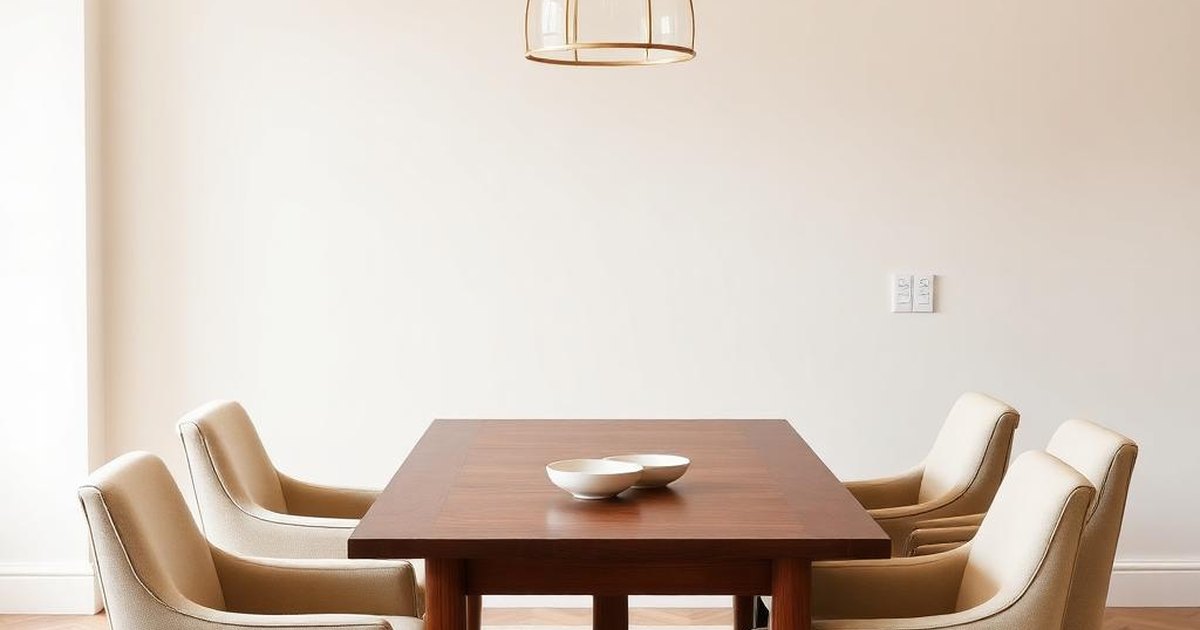
Choosing furniture starts with understanding what sits beneath the finish. In Ajmer, a piece may experience hot, dry weather, settled dust and a more humid room during the monsoon. Sheesham, plywood, particleboard and MDF respond differently, but a material name alone cannot tell you whether a bed, wardrobe or table is well made. Construction, surface protection, hardware and everyday care matter too. Use this guide to ask better questions rather than assume that one material is always the right answer.
First, understand the names
Sheesham is a type of timber, usually discussed as solid wood furniture. Solid wood is cut from timber rather than formed from fibres or particles. A piece described as wooden may still combine materials: a solid wood frame can have a plywood base or a different panel at the back. Ask which parts are sheesham, which are other materials and whether the visible grain is timber or a veneer.
Engineered wood is an umbrella term, not one specific board. Plywood uses bonded layers of wood veneer. Particleboard uses bonded wood particles. MDF, or medium-density fibreboard, uses fine wood fibres pressed with a binder. MDF is therefore also engineered wood, even though shops sometimes discuss it as a separate option. Ask for the actual board type instead of accepting only the phrase engineered wood.
Strength depends on the whole structure
Solid wood can make useful frames, legs and rails, but joints, timber condition and proportions affect performance. Plywood can work well for panels and cabinet construction when its grade, thickness and support suit the job. Particleboard and MDF can serve suitable interior applications, but fastening and unsupported spans need attention. A heavy piece is not automatically stronger, and a light piece is not automatically poor quality.
For a bed, inspect the side rails, centre support where present, slats or platform, and the connections between them. For a wardrobe, ask how shelves are supported and how the back panel is attached. For a dining table, check stability and how the legs connect to the top. Those details tell you more about daily use than a material label on its own.
Plan for heat and monsoon moisture
Solid wood can expand and contract as surrounding humidity changes. Properly prepared timber and suitable construction help accommodate this movement, but no timber should be treated as immune to dampness. Avoid placing furniture against a wall with visible moisture, under an evaporative cooler leak or where wet mopping repeatedly reaches its edges. Resolve the source of dampness rather than hoping a finish will hide the problem.
Board products also need moisture protection. Standard MDF and particleboard can swell if water enters exposed edges or damaged surfaces. Moisture-resistant grades are not the same as waterproof furniture. Plywood performance depends on its grade and bonding, too. Ask what grade is used, how cut edges are sealed and what care is required; do not infer water resistance from a glossy surface or a sales description.
Look beyond colour to the finish
A veneer is a thin layer of real wood over a substrate; it does not mean the entire panel is solid timber. Laminate and painted finishes offer different appearances and cleaning requirements. MDF is often chosen for smooth painted surfaces because it has no visible timber grain. Solid wood can show natural variation. Choose the look you enjoy, but ask what is underneath and how the surface should be maintained.
In sunny rooms, direct light can change the appearance of finishes and fabrics over time. Use curtains or blinds where practical, and avoid prolonged exposure near a strongly sunlit window. Dust with a soft cloth before wiping so grit is not dragged across the surface. Follow the specific care advice for the finish, and avoid soaking furniture or trying an unfamiliar polish across the whole piece.
Match the material to the piece
For wardrobes, a well-designed panel construction can be a practical choice because doors, shelves and compartments need to work together. Check hinges, runners, door alignment and shelf support, along with the board type. For beds, prioritise the supporting structure and the mattress platform. A decorative headboard and the load-bearing parts do not necessarily need to use the same material.
For dining tables, consider daily spills, cleaning and the room layout. Inspect the tabletop finish and edges, and ask how promptly spills need to be wiped away. If a table extends, operate the mechanism in the showroom. Choose dimensions that leave room to pull out chairs. Material selection should support your routine rather than force you to rearrange everyday life around an easily damaged surface.
Ask about repair before you need it
Some solid wood surfaces may be refinished or repaired by a skilled worker, depending on the finish and damage. Veneer has limited thickness, so aggressive sanding can go through it. Swollen board edges can be difficult to restore, while a loose hinge may require a different repair from a scratched surface. Ask how replaceable hardware and panels are, without assuming that every finish can be renewed at home.
Before choosing, write down the material used in each major part, the finish, the support design and any agreed care instructions. Urban Home is a premium showroom in Naka Madar, Ajmer, with its own manufacturing workshop for custom and made-to-measure work. Visit or contact the team to confirm the materials, sizes and availability of a specific piece. This guide does not imply that every Urban Home product is sheesham, teak or any other particular timber.