Bedroom
How to Choose the Right Mattress for Your Ajmer Home
By Urban Home
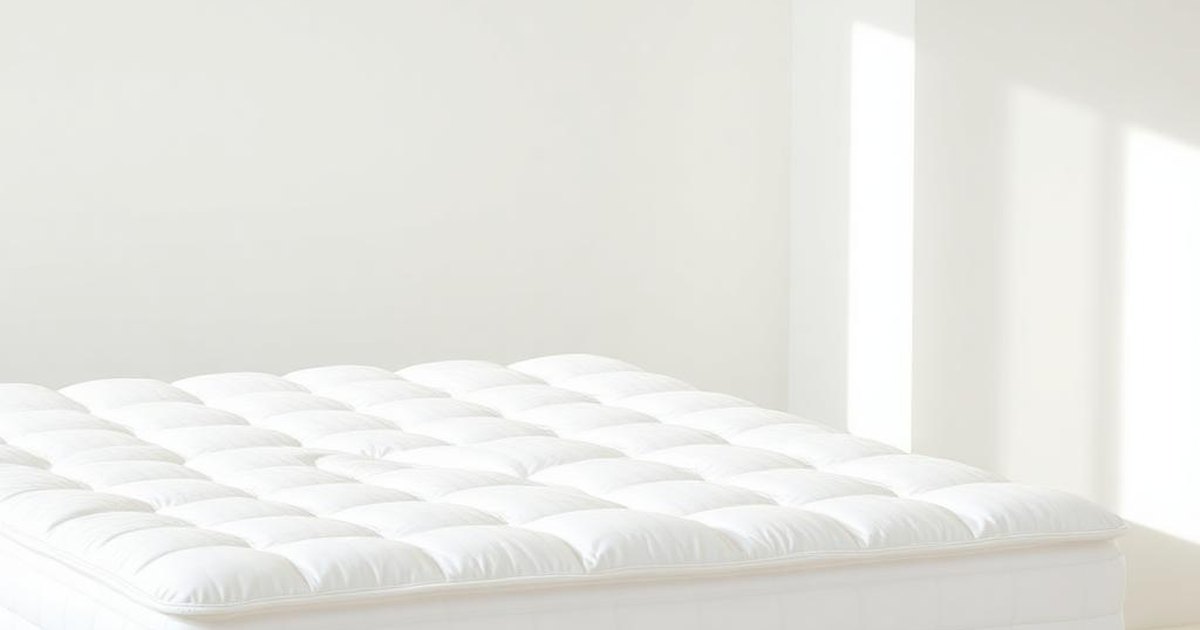
Choosing a mattress involves more than selecting a size name and pressing the surface with your hand. It needs to fit the bed, feel comfortable in your usual sleeping position and suit the way you maintain a bedroom. Ajmer's hot months and more humid monsoon weather make ventilation and care worth discussing, too. This guide helps you compare options in a showroom without assuming that the firmest mattress is best, that softness proves quality or that a product can promise a medical outcome.
Start with exact measurements
If you already own a bed, measure the space where the mattress sits rather than the outside of the frame. Record width and length in one consistent unit and check more than one point if the recess is irregular. If replacing an existing mattress, do not rely only on its label: the bed and the replacement dimensions still need to be compared directly.
When buying a bed and mattress together, confirm both sets of dimensions before finalising either. Terms such as single, double, queen and king can be used differently across products. Ask for actual measurements and any recommended fit allowance for the specific bed. Check that bedding can suit the chosen size, too, rather than discovering later that your existing sheets are an awkward fit.
Include thickness and the bed base
Mattress thickness changes the overall height of the sleeping surface. With a high bed base, a thick mattress may make getting in and out less comfortable for some people. It can also cover more of a headboard or affect the fit of sheets. Measure the base height and test a similar overall height if possible, instead of choosing thickness as a stand-alone sign of quality.
Ask what kind of base the mattress needs: a platform, slats or another supported arrangement. Where slats are used, confirm the manufacturer's requirements for spacing and support rather than guessing. A mismatch between mattress and base can affect feel and performance. If the bed has a storage mechanism, confirm the chosen mattress is compatible with that arrangement and follow the instructions for safe operation.
Understand support and surface comfort
Support describes how the mattress holds you up; surface comfort describes how it feels against you. They are connected but not identical. A soft upper layer can sit over a supportive structure, while a firm-feeling top does not tell you everything about what is underneath. Ask what the layers or support system are and compare the feel of the actual model on display.
Firm, medium and soft are useful comparison words, but they are not universal measurements across all products. Your impression may differ from another person's, and one maker's medium can feel different from another's. Do not choose a firmness solely because it is described as suitable for everyone. Treat comfort as something to test, and seek qualified medical advice for persistent pain rather than relying on a furniture purchase to treat it.
Test in the way you actually sleep
Ask whether you can lie on the display mattress and use your usual sleeping position, following the showroom's hygiene arrangements. Notice pressure at the shoulders or hips, whether you feel unsupported and how easy it is to turn. A brief hand press cannot reproduce those experiences. Compare a few options without rushing, and use a suitable pillow position so it does not distort the comparison.
If two people will share the mattress, test together where practical. Check whether there is enough room to change position and whether movement from one person is distracting to the other. Notice the feel near the edge if you often sit there, but ask about intended use rather than assuming every edge is designed for prolonged sitting. The aim is a comfortable shared choice, not a label that sounds impressive.
Consider heat, dust and monsoon care
How warm a bed feels can depend on mattress materials, the cover, bedding, ventilation and the room itself. No single label guarantees cool sleep in every Ajmer bedroom. Ask what the cover is made from, whether it can be removed and what cleaning is permitted. Removable covers are not automatically washable, and washing instructions should be confirmed for the actual product.
Use a suitable protector if recommended, keep bedding clean and allow moisture from cleaning to dry thoroughly. Avoid soaking a mattress or trapping it against a damp surface. During the monsoon, check the room for leaks and dampness and maintain practical ventilation. Follow the maker's instructions about rotating or turning the mattress; some designs are not intended to be flipped, so general advice should not override product-specific guidance.
Confirm the details before you choose
Write down the selected model, exact dimensions, thickness, firmness description and base requirements. Ask about materials and care, and confirm availability for that particular size. Read any applicable order or warranty terms rather than assuming a trial period, exchange option or warranty length. A showroom comparison helps you make a decision, but it should not be presented as a promise of a particular health benefit or sleeping result.
Urban Home is a premium showroom in Naka Madar, Ajmer, and an authorised dealer of Sleepwell and Bindal mattresses. Visit with the measurements of your bed or contact the team to confirm sizes, materials and availability for a specific mattress. If you are also considering a custom bed, Urban Home has its own manufacturing workshop for custom and made-to-measure furniture; discuss the agreed bed dimensions alongside mattress fit. Make the final choice from confirmed specifications and your own comfort test, not assumptions about a brand or a fixed firmness rule.